 Image 1 of 10
 Image 2 of 10
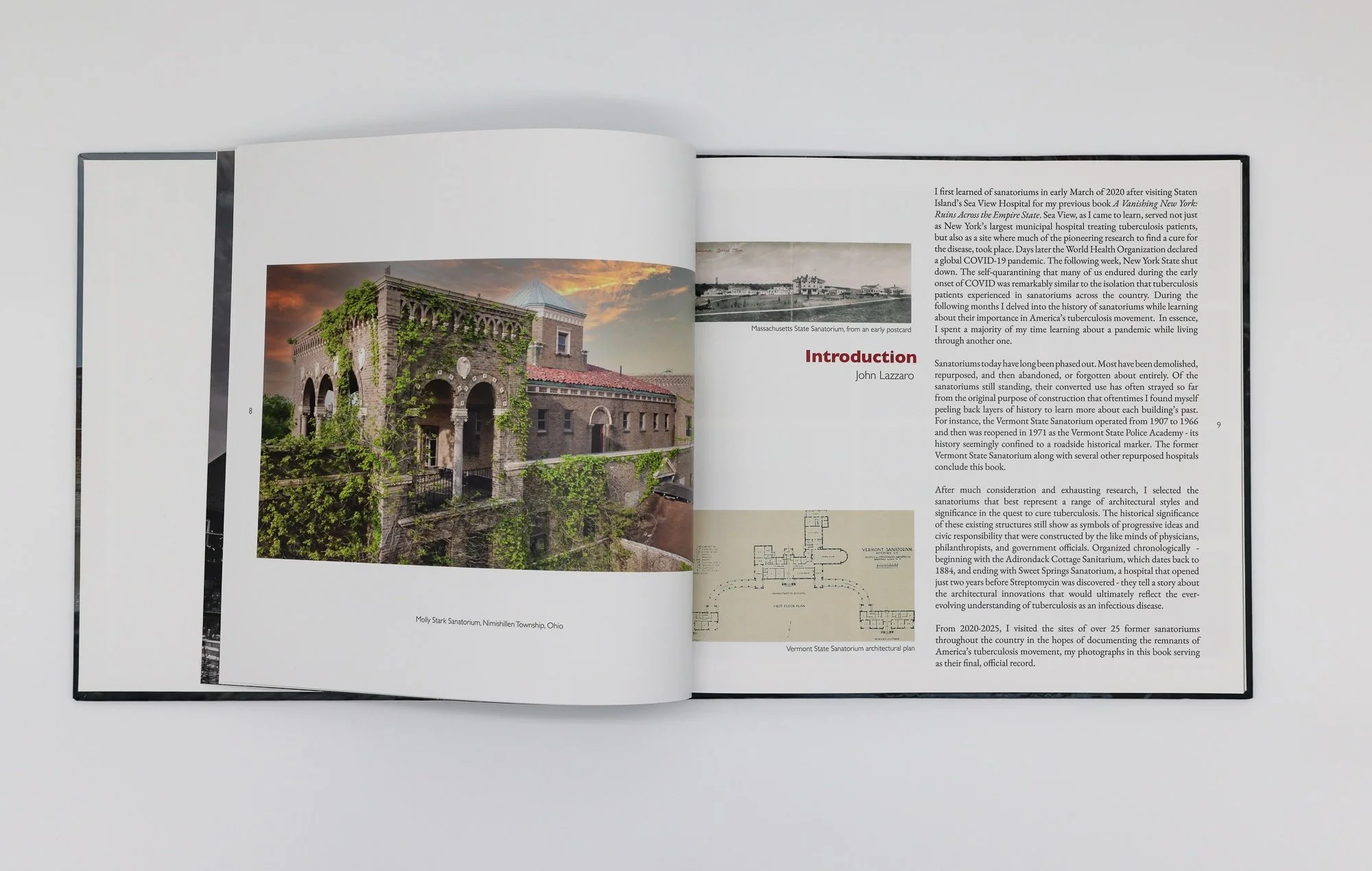 Image 3 of 10
 Image 4 of 10
 Image 5 of 10
 Image 6 of 10
 Image 7 of 10
 Image 8 of 10
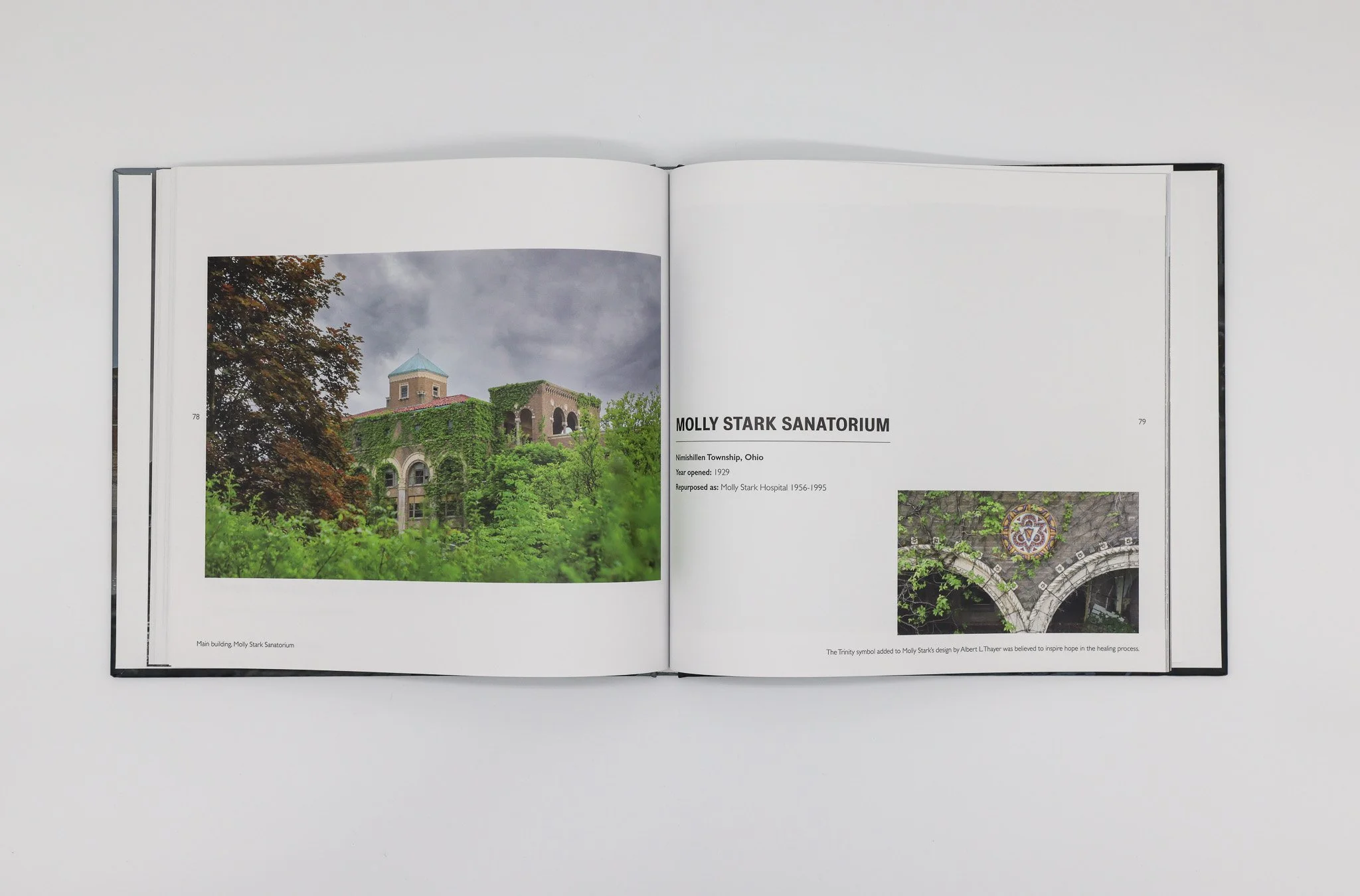 Image 9 of 10
 Image 10 of 10
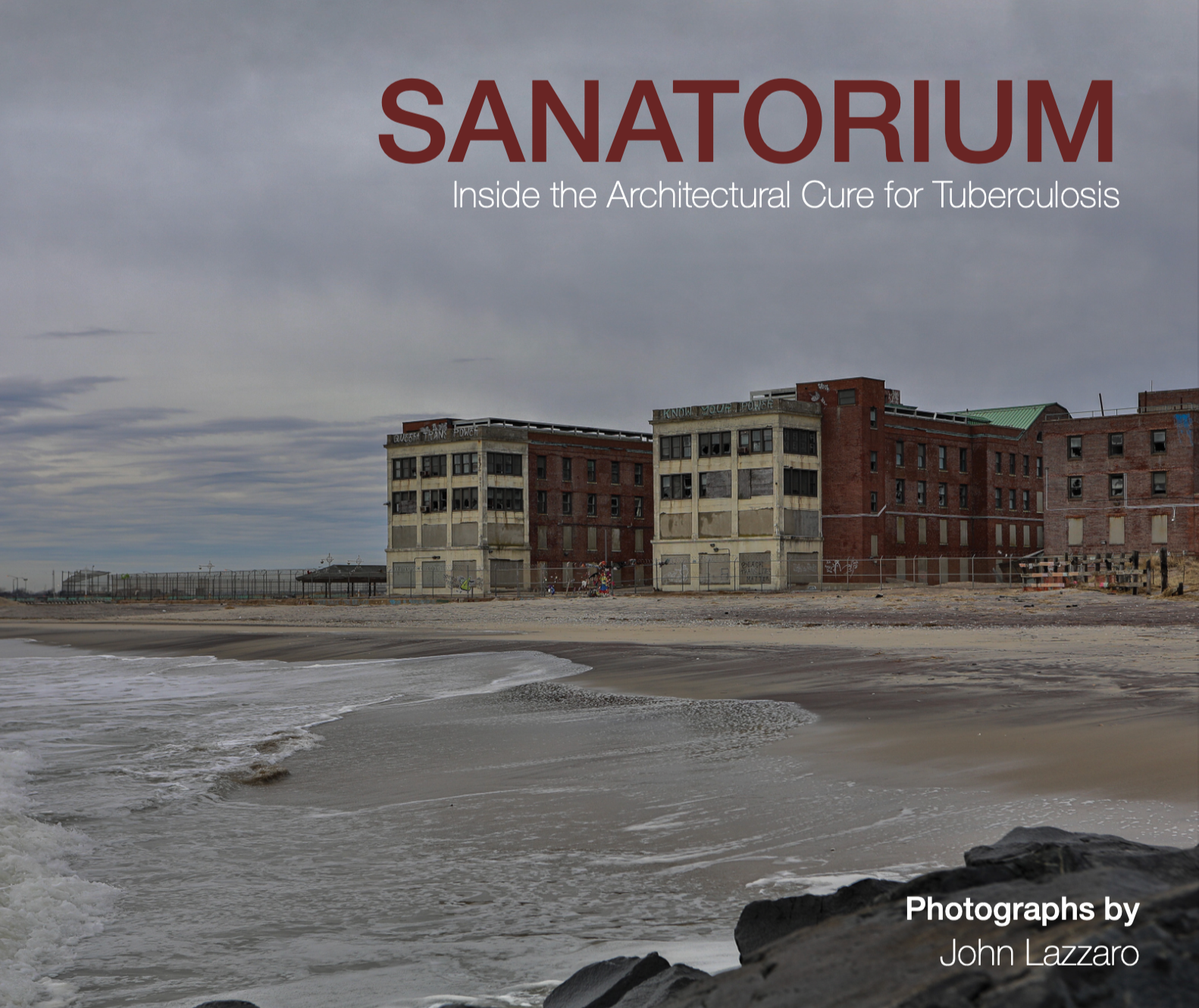
Sanatorium: Inside the Architectural Cure for Tuberculosis
I first learned of sanatoriums in early March of 2020 after visiting Sea View Hospital for my second book, A Vanishing New York. Sea View, as I came to learn, served not just as New York’s largest municipal hospital treating tuberculosis patients, but also as a site where much of the pioneering research to find a cure for the disease took place. One week later New York State shutdown due to the COVID-19 pandemic. The self-quarantining that many of us endured during the early onset of COVID was remarkably similar to the isolation that tuberculosis patients experienced in sanatoriums across the country. In essence, I spent a majority of my time learning about a pandemic while living through another one.
-John Lazzaro, 2026
-
Dimensions: 10x11 inches
Hardcover
Printed & bound: Conveyor Studio -
ISBN: 979-8-218-88924-1
-
121 pages
100+ full color and B&W photographs
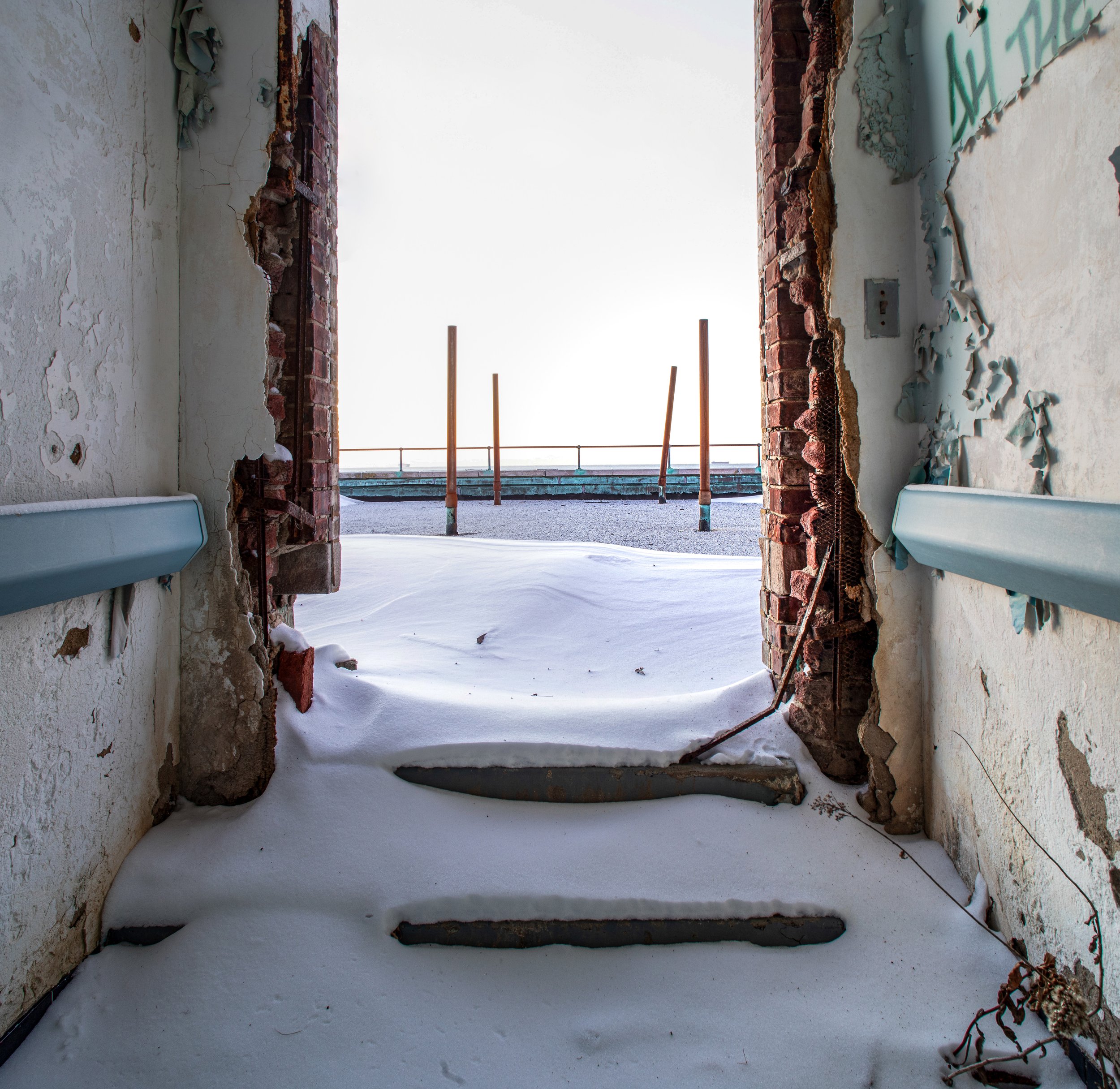


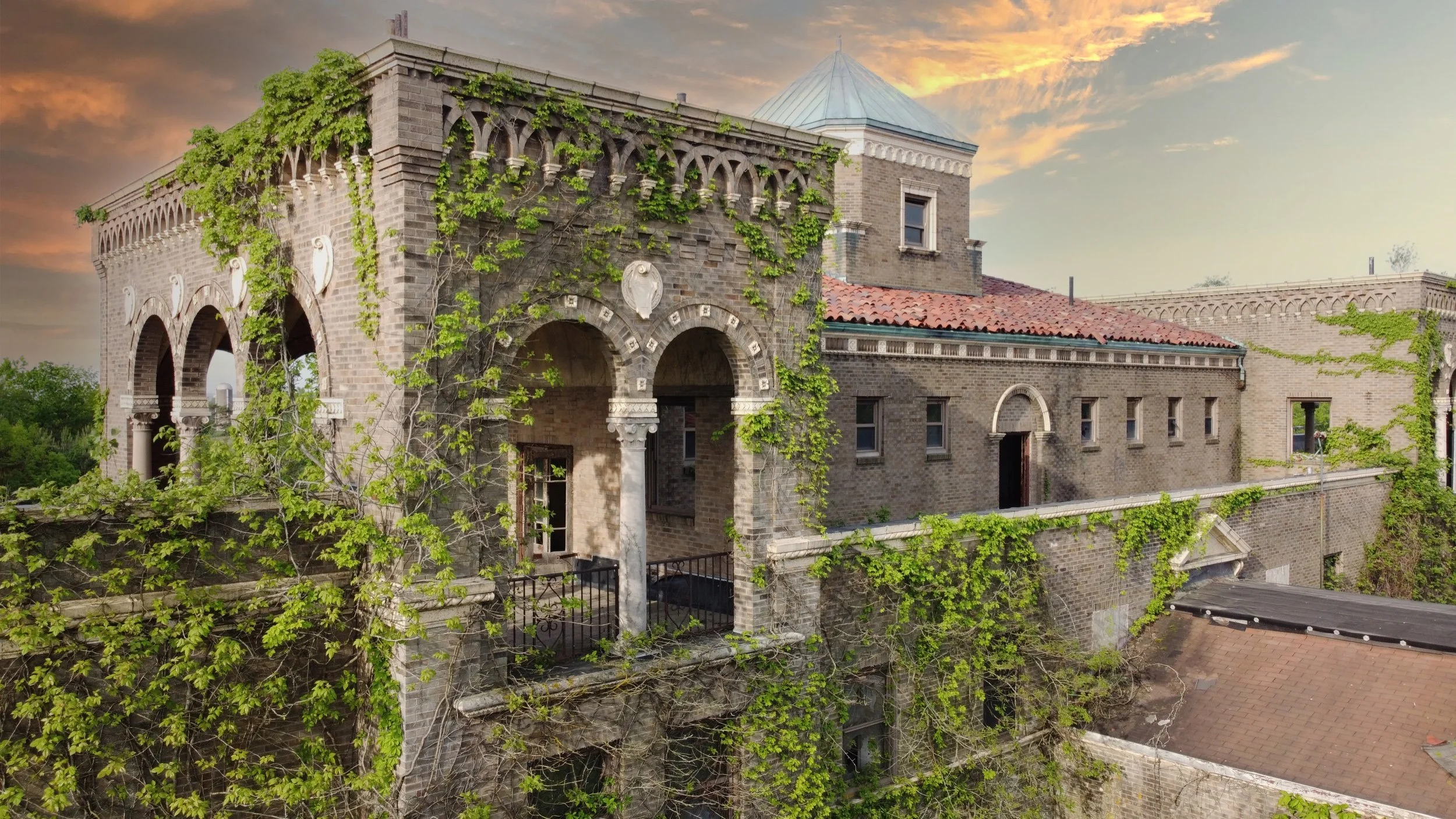
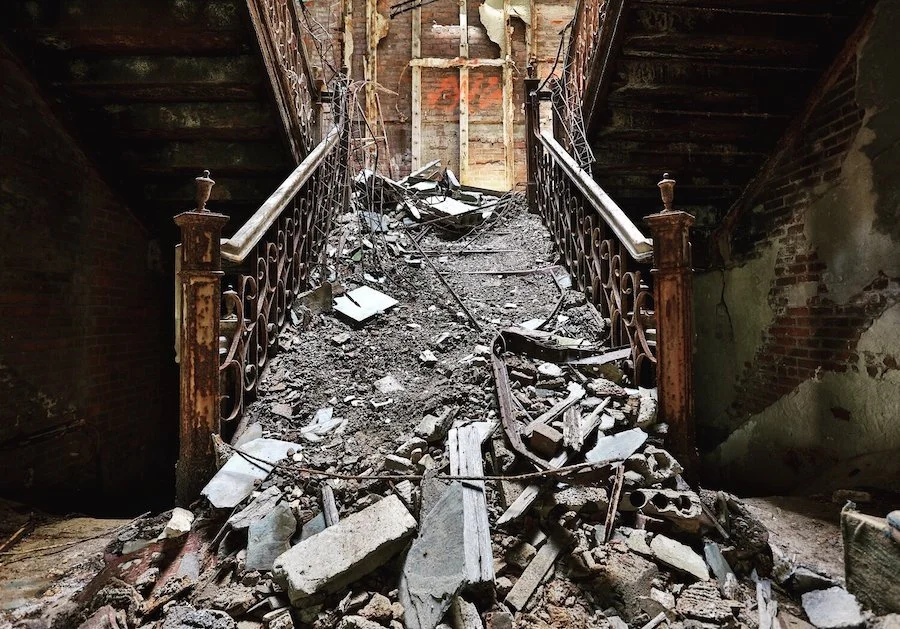
The variations in architecture would ultimately reflect the ever-evolving understanding of tuberculosis as an infectious disease. Architectural innovations in sanatoriums such as fresh air porches, gardens creating a homelike setting, and majestic grounds for respiratory and cardiovascular stimulation, are still in use in America’s hospital designs today. But the reliance on them would end after WWII when microbiologist Selman Waksman discovered the antibiotic streptomycin. While most sanatoriums have been demolished or repurposed into modern facilities, the historical significance of the existing structures still show as symbols of progressive ideas and civic responsibility that were constructed by the like minds of physicians, philanthropists, and government officials. Most importantly, this survey of photos documents how the quest for a cure led to the visionary architecture of hospitals — sites which were ultimately repurposed or abandoned and forgotten. The book taps into the enduring public interest in abandoned sites and offers a look into the architectural symbols and remnants of the historic tuberculosis crisis of the early 20th Century.
Sanatorium documents the unique architecture of sanatoriums which were built between 1885 and 1945 to combat America’s first modern public health crisis: tuberculosis. Before COVID-19, SARS, and the Spanish Flu, the leading cause of death in many U.S. cities was tuberculosis. Reaching epidemic proportions in the early 20th Century, the need to treat tuberculosis patients coincided with public health awareness of tuberculosis as a communicable disease that required both improvements in housing and adequate isolation of the sick, ultimately leading to the founding of private and state-operated hospitals known as sanatoriums. Typically located in rural settings, mountains, or seaside locations, sanatoriums provided comfort and isolation where patients could breathe fresh air, rest, and have controlled access to sunlight - the very features believed to be the cure for tuberculosis. By 1953 the United States was home to some 839 sanatoriums.